

If you feel like you always have sinus pressure—whether it’s behind your eyes, in your cheeks, or across your forehead—you’re not alone. Many people in Sarasota and across Florida deal with constant sinus congestion, pressure, and discomfort that never seems to fully go away.
You may have tried allergy medications, nasal sprays, antibiotics, or even sinus surgery. Sometimes these approaches provide temporary relief… but the pressure comes back.
Schedule Your Appointment
Schedule appointmentSo the real question becomes:
Why does sinus pressure keep returning?
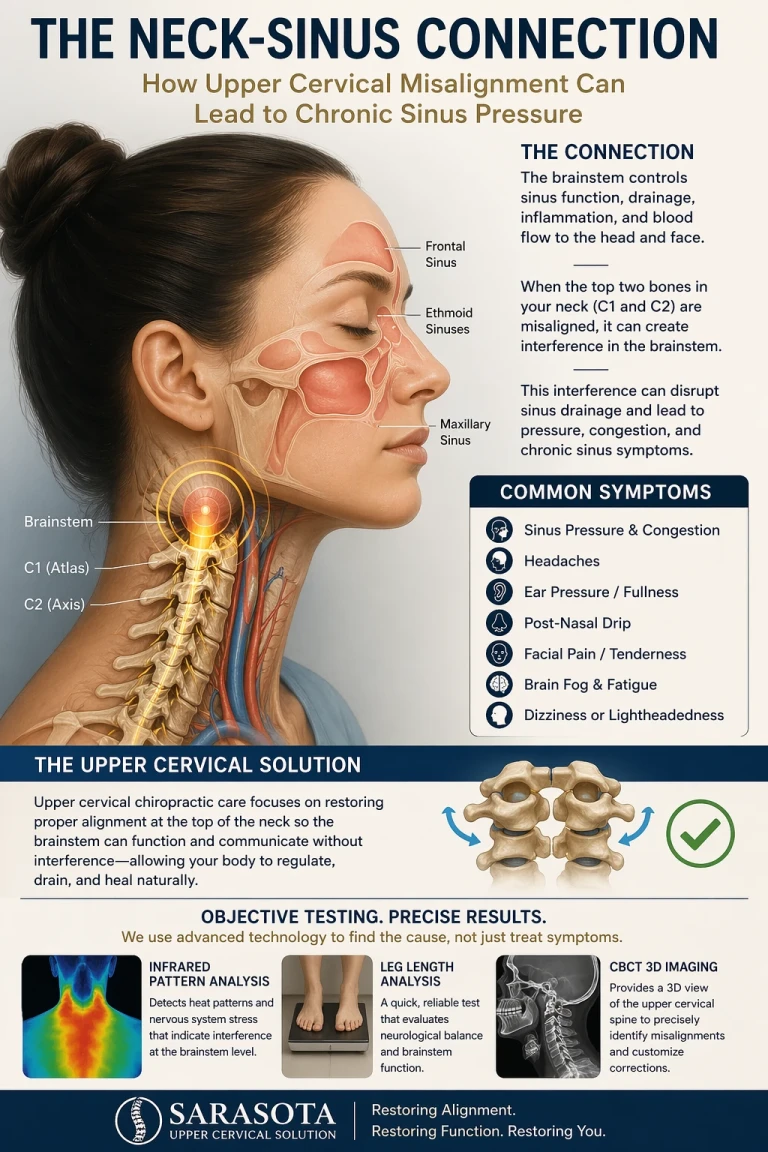
To answer that, we need to look beyond the sinuses themselves—and start looking at the control system behind them: your brainstem and upper cervical spine.
Understanding Sinus Pressure (Beyond Just “Congestion”)
Sinus pressure is typically described as:
A dull, aching sensation in the face
Pressure behind the eyes or forehead
Fullness in the cheeks
Difficulty breathing through the nose
But here’s what’s important:
Sinus pressure is not just a sinus problem—it’s often a drainage and regulation problem.
Your sinuses are constantly producing mucus. That’s normal and healthy. The issue arises when:
Drainage becomes restricted
Inflammation increases
Pressure builds inside the sinus cavities
Most treatments focus on reducing symptoms, but not necessarily restoring the body’s ability to regulate sinus function properly.
Common Symptoms That Go Along With Sinus Pressure
If you’re dealing with chronic sinus pressure, you may also notice:
Headaches (especially in the forehead or behind the eyes)
Ear pressure or fullness
Eustachian tube dysfunction (popping, clogged ears)
Post-nasal drip
Brain fog or fatigue
Facial tenderness
Dizziness or lightheadedness
Recurring “sinus infections”
These symptoms often seem unrelated—but they are all connected through one central control system:
The brainstem
The Brainstem: The Control Center Most People Overlook
The brainstem sits at the base of your skull and controls vital automatic functions, including:
Sinus drainage and mucus production
Blood flow to the head and face
Nerve signals to the ears, nose, and throat
Regulation of inflammation
Fluid balance and pressure systems
Now here’s the key:
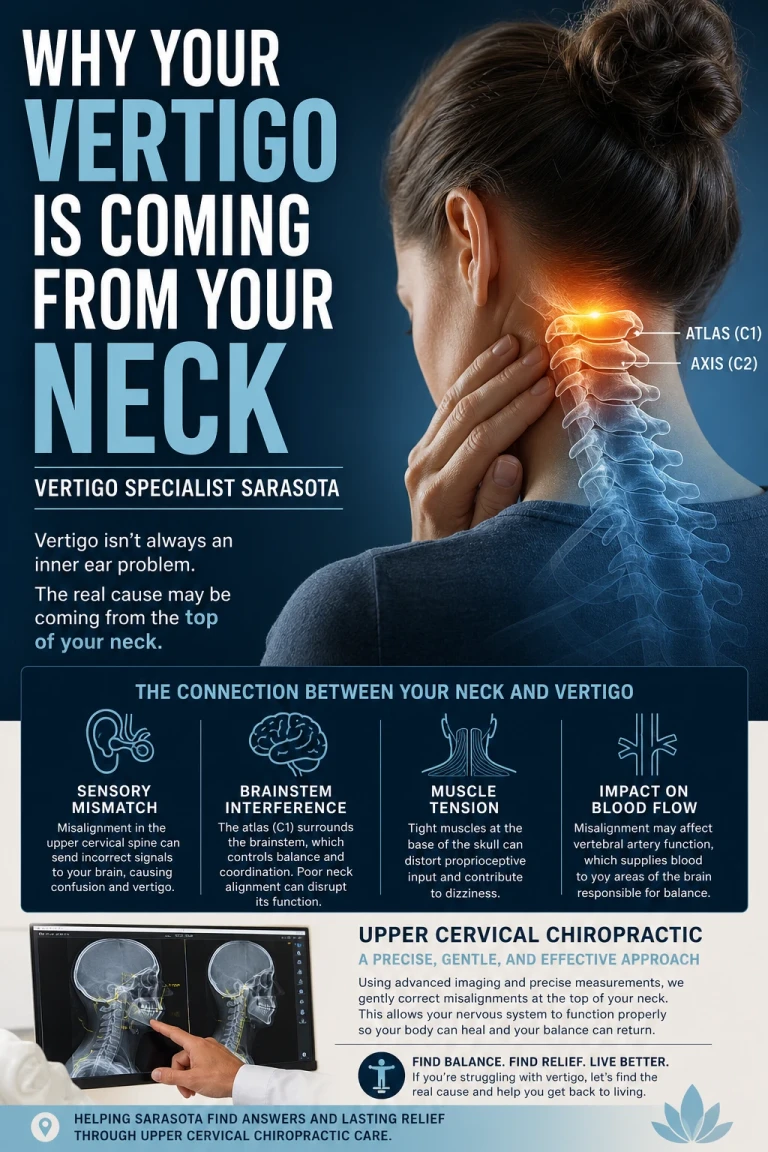
The brainstem is directly connected to—and influenced by—the upper cervical spine (C1 and C2).
The Upper Cervical Spine: A Critical “Choke Point”
The top two bones in your neck—the atlas (C1) and axis (C2)—sit directly under the skull and surround the brainstem.
This area is often referred to as the craniocervical junction, and it’s one of the most neurologically important regions in the body.
When this area is functioning properly:
The brainstem communicates clearly
Fluid and pressure systems remain balanced
Sinus drainage works efficiently
But when there is an upper cervical misalignment, it can create subtle but significant interference.
How Upper Cervical Misalignment Can Lead to Sinus Pressure
A misalignment at C1 or C2 can affect the body in several ways:
1. Altered Nerve Function
The brainstem sends signals to regulate sinus function. If those signals are distorted, the sinuses may:
Overproduce mucus
Fail to drain properly
Become inflamed more easily
2. Impaired Fluid Drainage
Your head relies on proper venous and lymphatic drainage. Misalignment can contribute to:
Fluid backup
Increased pressure in the sinus cavities
3. Increased Muscle Tension
Tension in the neck and surrounding muscles can:
Restrict circulation
Contribute to headaches and facial pressure
4. Dysregulation of the Autonomic Nervous System
This system controls inflammation and immune responses. When disrupted:
You may become more sensitive to allergens
Sinus inflammation can become chronic
Why Traditional Treatments Often Fall Short
Most conventional approaches focus on:
Reducing inflammation (steroids)
Killing bacteria (antibiotics)
Opening airways (decongestants)
While these can help temporarily, they don’t address:
Why your sinuses aren’t functioning properly in the first place
If the underlying issue is neurological—originating at the brainstem—then symptom-based treatments may never fully resolve the problem.
The Upper Cervical Approach in Sarasota
Upper cervical chiropractic care focuses on one primary goal:
Correcting misalignment at the top of the neck to restore proper brainstem function
This is not a general chiropractic approach.
It is:
Precise
Objective
Gentle
Focused only on the upper neck
And most importantly:
👉 Adjustments are only performed when objective indicators show they are needed
Objective Testing: How We Know What’s Really Going On
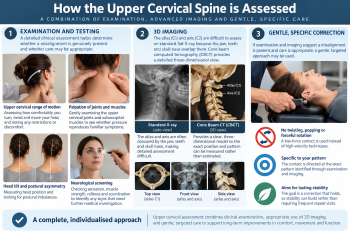
Upper cervical care relies on objective data, not guesswork. Three key tests are used:
1. Infrared Pattern Analysis (Thermography)
This test measures heat patterns along the spine.
The nervous system controls blood flow and temperature
Abnormal patterns can indicate interference at the brainstem level
Helps determine when a correction is needed—and when it’s not
2. Leg Length Analysis
A functional test that evaluates neurological balance.
Imbalances can reflect changes in muscle tone
Often linked to brainstem dysfunction
Used before and after adjustments to assess changes
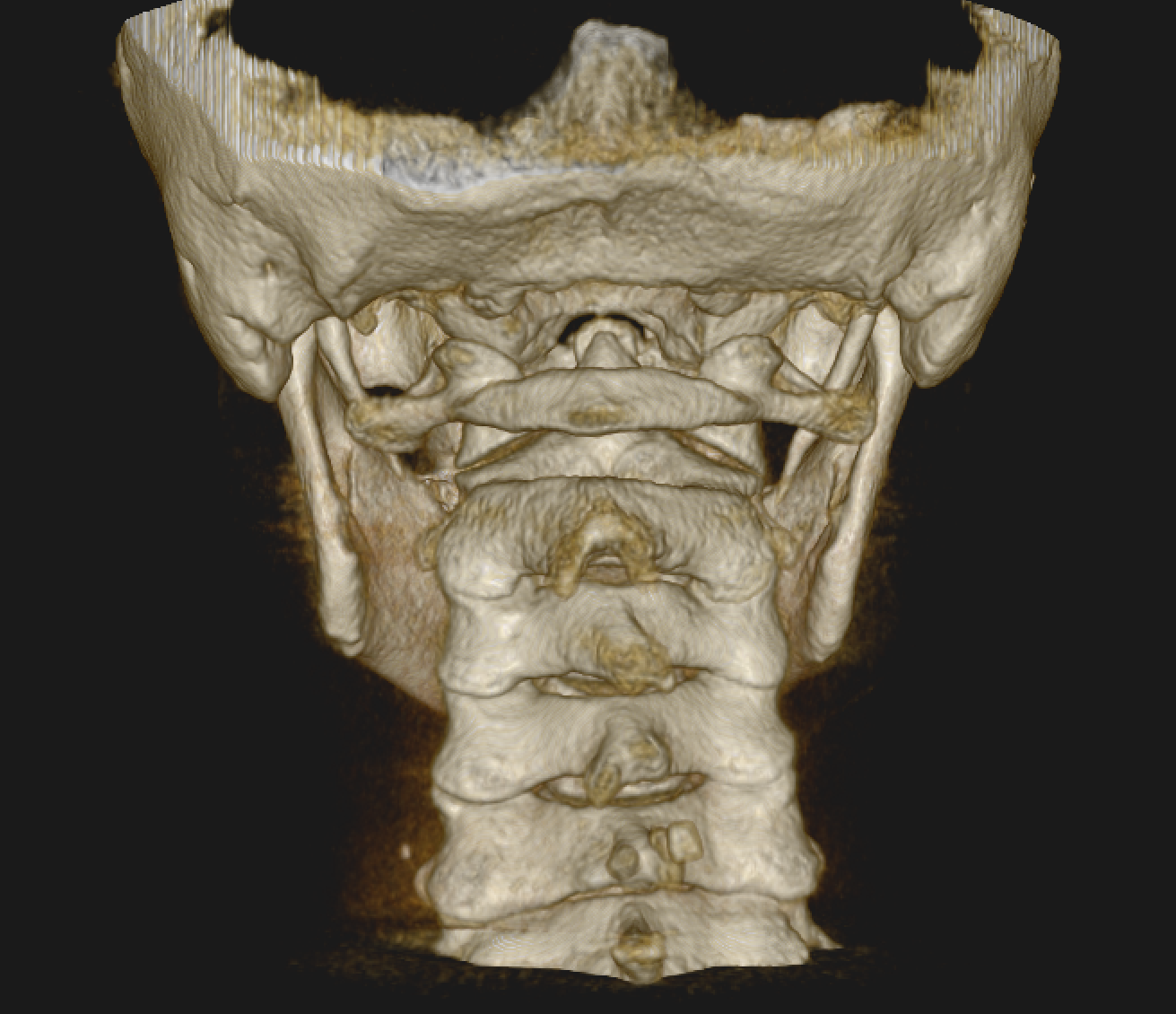
3. CBCT (3D Imaging)
This is where precision comes in.
Provides a three-dimensional view of your upper cervical spine
Identifies the exact direction and degree of misalignment
Allows for a custom-tailored correction specific to your anatomy
The Goal: Restore Function, Not Chase Symptoms
The purpose of upper cervical care is not to “treat sinus pressure” directly.
Instead, the goal is:
To restore proper alignment so the brainstem can regulate the body as it was designed to
Related article
Head Pressure Relief and Treatment in Sarasota | Neck Misalignment Is Commonly the Missing Link
Mar 16, 2026When that happens:
Sinus drainage can normalize
Pressure can decrease
Associated symptoms often improve
Many patients notice improvements in:
Headaches
Ear pressure
Brain fog
Energy levels
Overall clarity
Why the Adjustment Is Different
Upper cervical adjustments are:
Extremely gentle
No twisting, cracking, or popping
Based entirely on imaging and measurements
The goal is not repeated adjustments…
It’s to make a precise correction—and allow it to hold
A Different Way to Look at Chronic Sinus Issues
If you’ve been dealing with ongoing sinus pressure, it may be time to ask a different question:
Instead of:
What can I take to relieve this?”
Ask:
“Why isn’t my body regulating sinus function properly?”
When you start looking at the brainstem and upper cervical spine, the picture often becomes much clearer.
Final Thoughts
Chronic sinus pressure is frustrating, exhausting, and often misunderstood.
But for many people, the root issue isn’t just in the sinuses—it’s in the communication between the brain and the body.
The upper cervical spine plays a critical role in that communication.
By using:
Infrared pattern analysis
Leg length analysis
CBCT imaging
Upper cervical care provides a precise, objective, and natural approach to restoring function.
Looking for a Natural Solution in Sarasota?
If you’re in the Sarasota or Tampa Bay area and dealing with:
Chronic sinus pressure
Headaches
Ear fullness
Brain fog
It may be worth exploring whether an upper cervical misalignment is contributing to your symptoms.
A proper evaluation can determine if this approach is right for you—and whether your body is showing signs of neurological interference.


Leave a comment