

If you are living with fibromyalgia, you know the exhaustion.
The widespread muscle pain.
The constant tightness.
The brain fog.
The poor sleep.
The flare-ups that seem to come out of nowhere.
Schedule Your Appointment
Schedule appointmentIf you’re searching for fibromyalgia treatment in Sarasota or Bradenton, you may have been told that fibromyalgia is simply a pain-processing disorder with no structural cause.
While fibromyalgia does involve altered pain processing, many patients are never evaluated for one critical factor:
Previous neck trauma and upper cervical spine injury.
👉 Call 941-259-1891 to schedule your FREE consultation
Or click here to book online.
Understanding Fibromyalgia: A Nervous System Disorder
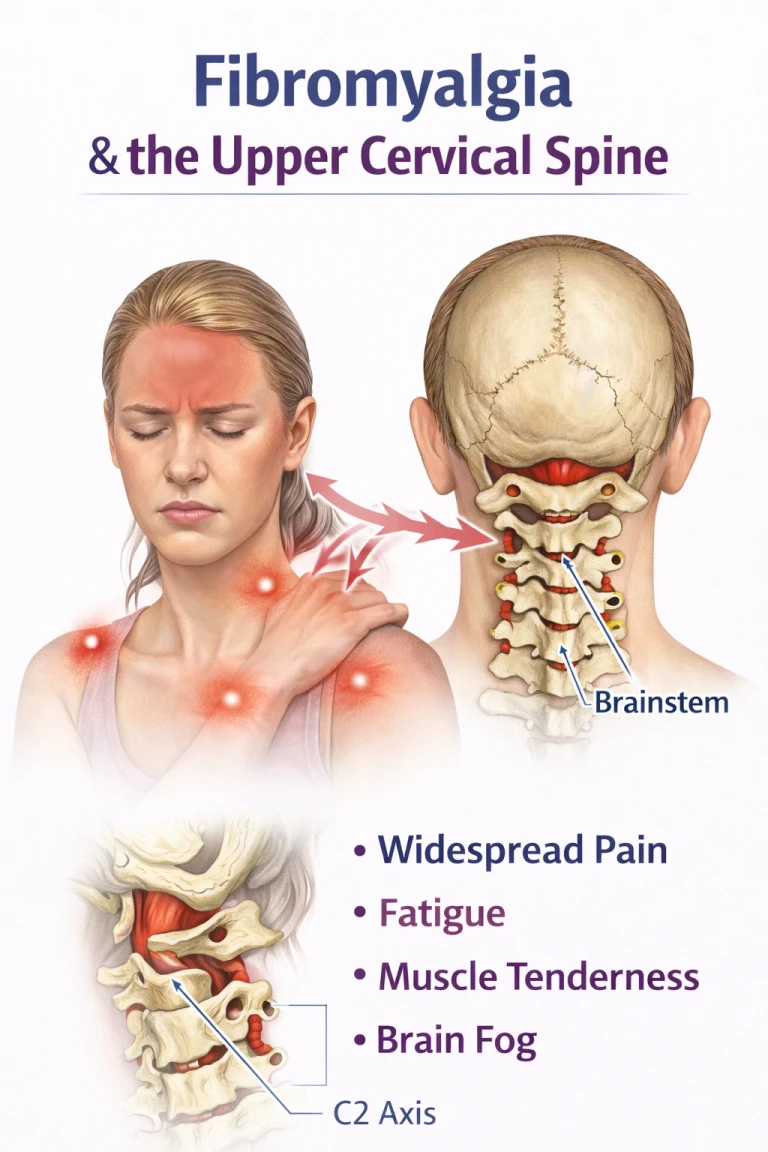
Fibromyalgia is characterized by:
• Widespread muscle pain
• Tender points
• Chronic fatigue
• Sleep disturbances
• Brain fog
• Headaches
• Sensitivity to touch
• Anxiety or mood changes
Research shows that fibromyalgia involves central sensitization — meaning the nervous system becomes hypersensitive.
But here’s the key question:
What caused the nervous system to become hypersensitive in the first place?
For many patients, the answer includes trauma.
Whiplash and Fibromyalgia: A Common Link
A large percentage of fibromyalgia patients report a history of:
• Car accidents
• Whiplash injuries
• Slip and falls
• Sports injuries
• Physical trauma
Whiplash is not just a “neck strain.”
When the head snaps forward and backward:
• The upper cervical joint capsule may be injured
• Ligaments can stretch
• Muscles tighten protectively
• Inflammation develops
• Joint motion becomes restricted
Even if the initial pain improves, the underlying instability may remain.
The nervous system adapts — but not always in a healthy way.
The Upper Cervical Spine and the Brainstem
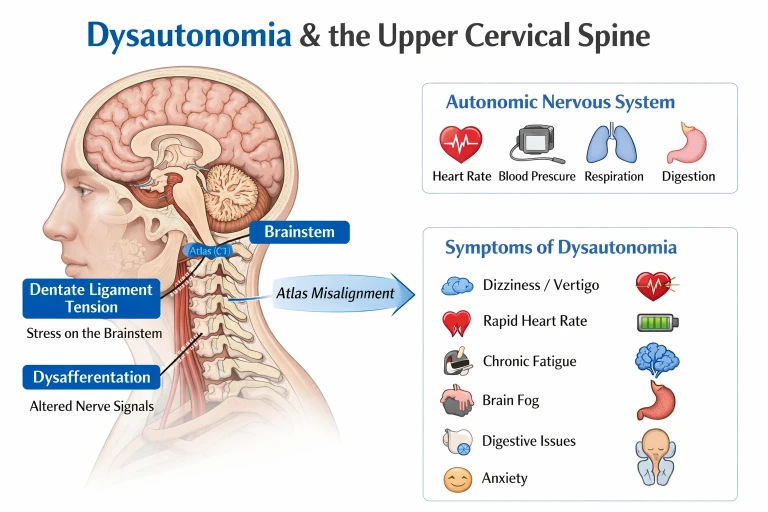
The upper cervical spine (C1 and C2) sits directly beneath the brainstem.The brainstem regulates:
• Pain processing
• Muscle tone
• Autonomic nervous system balance
• Sleep cycles
• Sensory filtering

When trauma injures the upper cervical region, it may create:
• Mechanical stress beneath the brainstem
• Altered proprioceptive signaling
• Increased muscle guarding
• Heightened pain sensitivity
Over time, this can contribute to central sensitization — a hallmark of fibromyalgia.
Why Muscles Stay Tight
Fibromyalgia patients often describe:
• Constant muscle tightness
• Stiffness upon waking
• Pain that moves around
• Tender trigger points
Muscle spasm is often a protective response.
When the joint capsule in the upper cervical spine is injured:
• The nervous system senses instability
• Muscles tighten to protect the area
• Circulation decreases
• Tension spreads through fascial chains
Because the nervous system is interconnected, chronic upper cervical instability may influence muscle tone throughout the entire body.
The result?
Widespread tightness and pain.
The Autonomic Nervous System and Fibromyalgia
Many fibromyalgia patients also struggle with:
• Poor sleep
• Digestive issues
• Temperature sensitivity
• Anxiety
• Heart rate irregularities
These symptoms suggest autonomic nervous system imbalance.
The brainstem plays a major role in autonomic regulation.
If mechanical irritation exists near this region, it may contribute to:
• Increased sympathetic (fight-or-flight) tone
• Reduced parasympathetic (rest-and-heal) activity
• Chronic muscle tension
• Sleep disruption
Correcting structural imbalance at the top of the spine may reduce neurological stress and support better regulation.
Why Medication Alone Often Falls Short
Common fibromyalgia treatments include:
• Antidepressants
• Nerve-modulating medications
• Pain relievers
• Muscle relaxers
While these may reduce symptoms temporarily, they do not address potential structural instability from prior trauma.
If upper cervical dysfunction remains, neurological irritation may continue.
True healing requires addressing the nervous system at its source.
Precision Upper Cervical Chiropractic Care
Upper cervical chiropractic focuses specifically on correcting misalignment at C1 and C2.
The goal is not aggressive manipulation.
It is precision correction.
When alignment improves:
• Brainstem stress may decrease
• Muscle guarding may reduce
• Pain sensitivity may lessen
• Sleep quality may improve
• Autonomic balance may stabilize
The body is given the opportunity to regulate more efficiently.
The Importance of 3D CBCT Imaging
Every person’s anatomy is unique.
No two misalignments are identical.
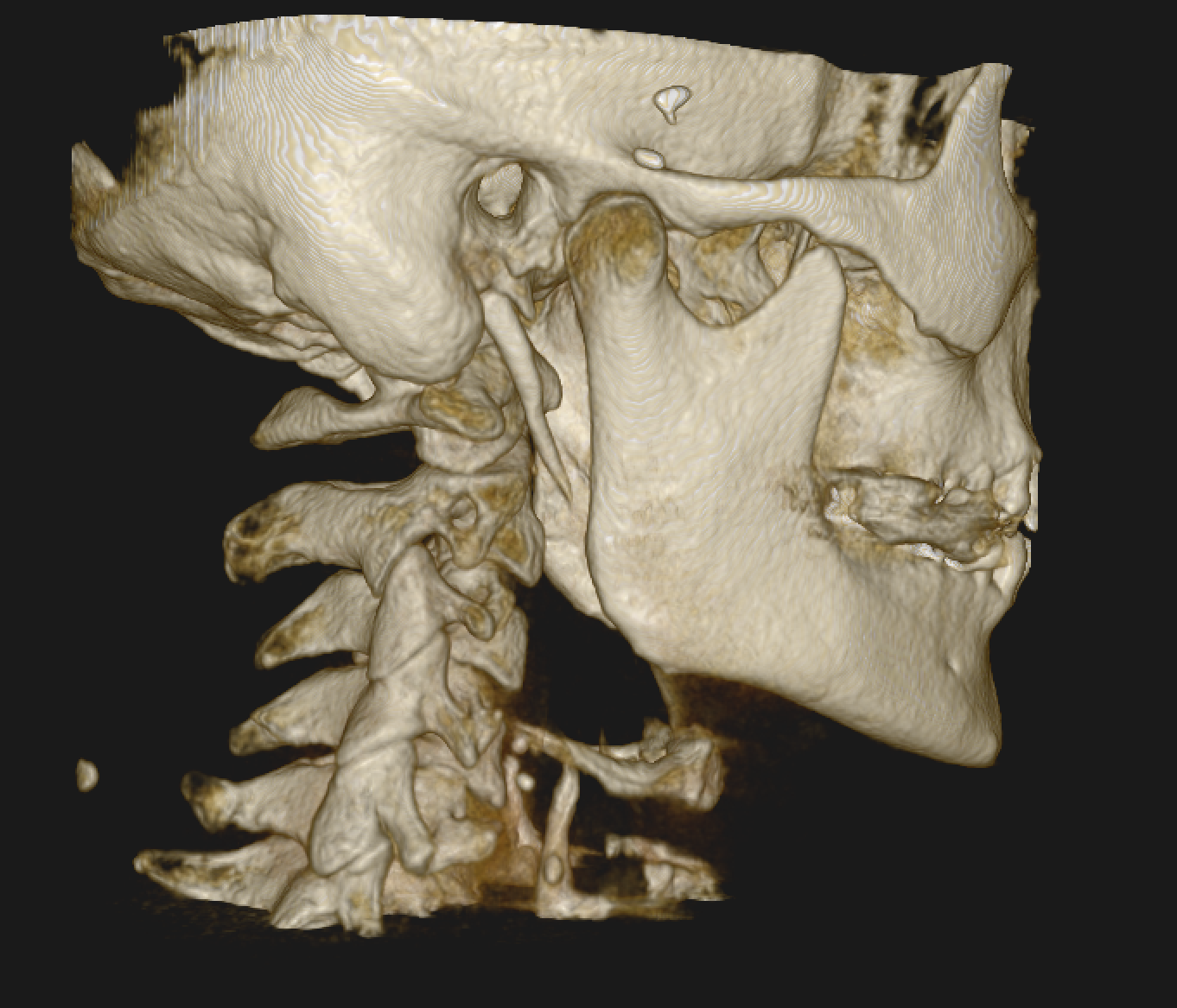
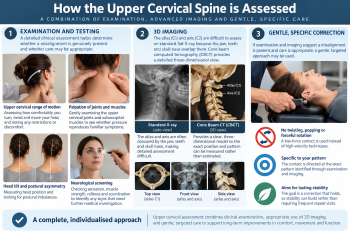
That is why we use advanced 3D Cone Beam CT (CBCT) imaging.
CBCT allows us to measure:
• Exact rotational displacement
• Lateral deviation
• Angular misalignment
• Skull-to-atlas relationship
• Structural asymmetry
Without imaging, adjustments are generalized.
With CBCT imaging, the correction is tailored precisely to your misalignment pattern.
Precision is critical in patients with heightened nervous system sensitivity.
No Twisting, Cracking, or Pulling
Fibromyalgia patients are often sensitive to forceful treatments.
Upper cervical care is gentle and specific.
There is:
• No forceful twisting
• No aggressive cracking
• No yanking or pulling
Adjustments are:
• Low-force
• Measured
• Based entirely on imaging data
This approach minimizes additional stress on an already sensitive system.
Objective Testing: Knowing When to Adjust
We use objective tools to determine if misalignment is present.
These include:
Leg Balance Analysis
Neurological imbalance may show up as subtle asymmetry in leg patterns.
Infrared Thermography
Thermal scanning detects heat differences along the spine, indicating nervous system irritation.
Adjustments are only performed when objective findings indicate misalignment.
This supports stability rather than overstimulation.
Signs Your Fibromyalgia May Be Trauma-Related
You may benefit from evaluation if:
• Symptoms began after a car accident
• You have chronic neck stiffness
• You experienced whiplash in the past
• You have frequent headaches
• You feel tension at the base of your skull
• Your pain worsens with stress
Even if the trauma occurred years ago, structural instability can persist.
The nervous system never forgets injury.
Fibromyalgia Treatment in Sarasota & Bradenton
If you are living with fibromyalgia and feel like you have tried everything, it may be time to evaluate the upper cervical spine.
A nervous system-focused approach aims to:
• Restore structural alignment
• Reduce mechanical stress
• Improve neurological balance
• Support long-term healing
We focus on:
• Precision 3D CBCT imaging
• Gentle, specific correction
• Objective neurological testing
• No twisting, cracking, or pulling
• A true nervous system-centered approach
👉 Call 941-259-1891 to schedule your FREE consultation
Or click here to book online.
Fibromyalgia is not “all in your head.”
It is often rooted in nervous system imbalance.
Let’s evaluate the foundation beneath your brainstem and determine whether prior neck trauma may be contributing to your chronic muscle pain and tightness.
Relief begins with restoring stability where your head meets your spine.


Leave a comment