

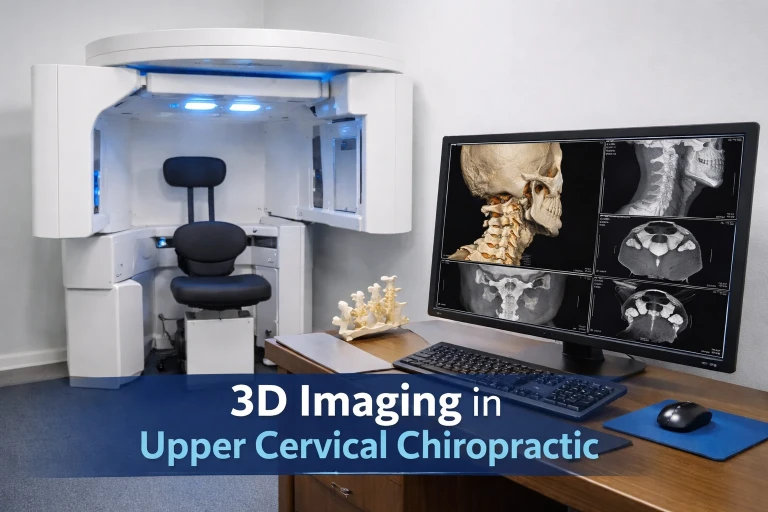
When people search for upper cervical chiropractic in Sarasota, Florida, they are often looking for one thing above all else: precision.
They want to know how care is delivered, what makes it different, and why some chiropractors rely on advanced imaging before making an adjustment. That is where 3D imaging becomes especially important.
Schedule Your Appointment
Schedule appointmentIn upper cervical chiropractic, the focus is on the top two bones of the neck, the atlas and axis. These structures sit close to the brainstem and play a major role in head position, balance, posture, and nervous system communication.
Because this area is small, complex, and highly individualized, minor structural variations can matter. A one-size-fits-all approach is not ideal in this region. 3D imaging helps provide a clearer picture of each patient’s anatomy so care can be more specific.
What is 3D imaging in upper cervical chiropractic?
3D imaging refers to advanced imaging technology that captures the upper cervical spine in three dimensions rather than in flat, two-dimensional views alone.
In many practices, this may involve cone beam computed tomography, often called CBCT. This type of imaging allows the chiropractor to evaluate the alignment, shape, and orientation of the upper neck from multiple angles.
Instead of relying only on general estimates, the doctor can study the way the atlas and axis relate to the skull and to each other in that individual patient.
This matters because no two upper cervical spines are exactly alike. Bone structure, joint angles, old injuries, asymmetries, and degenerative changes can all influence how a precise correction should be approached.
Why 3D imaging matters in upper cervical care
The upper cervical spine is not an area where broad force or guesswork makes sense. The purpose of upper cervical chiropractic is to deliver a precise adjustment based on objective findings.
3D imaging supports that goal by helping the doctor see details that may not be fully understood through posture analysis, palpation, or standard X-rays alone.
This level of detail can be useful for several reasons.
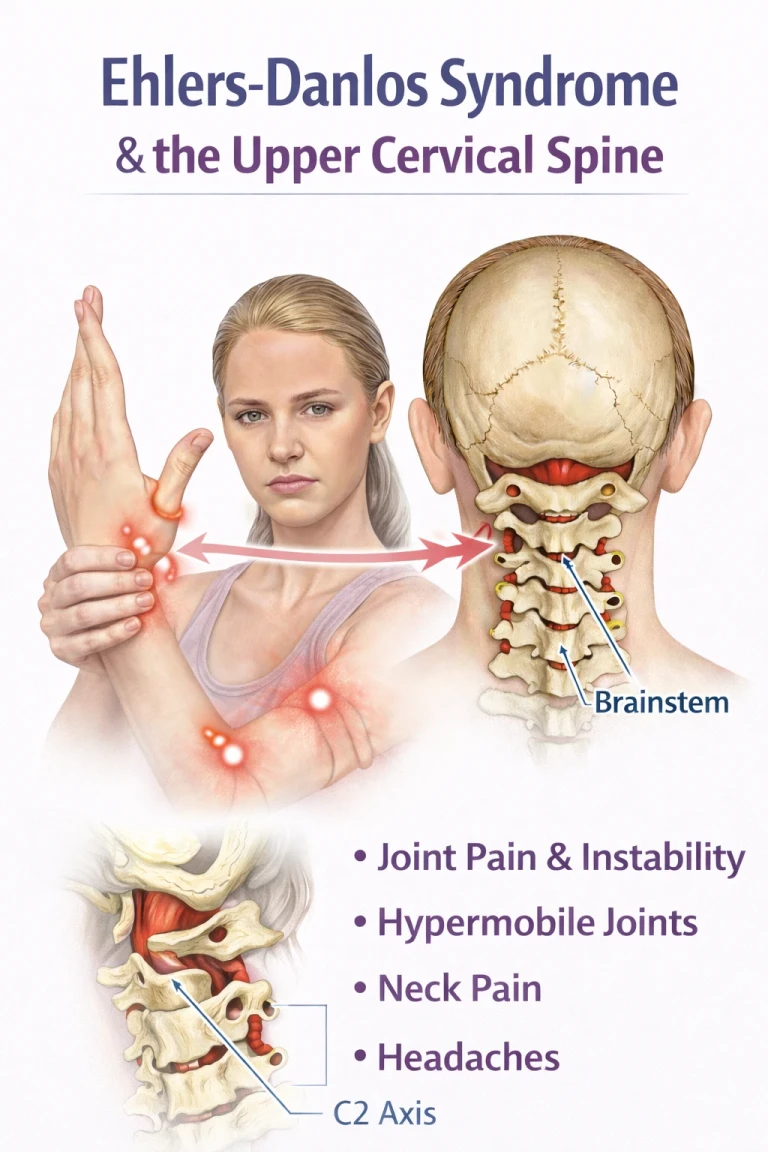
First, it improves specificity. The chiropractor can determine how the bones are positioned and how they may need to be corrected with greater accuracy.
Second, it improves safety and clinical decision-making. If there are structural findings such as congenital differences, joint degeneration, old trauma, or anatomical variations, those details can influence whether care is appropriate and how it should be performed.
Third, it improves personalization. Upper cervical chiropractic is most effective when it is tailored to the patient rather than applied in a generic way. 3D imaging helps guide that customization.
How 3D imaging supports better analysis
A major advantage of 3D imaging is that it allows the chiropractor to analyze the upper cervical region with depth and clarity. In a complex part of the spine, that additional information can shape the entire care plan.
For example, a patient may present with recurring neck tension, headaches, dizziness, postural imbalance, or a sense that their head never sits quite right.
A standard visual exam may suggest a problem, but 3D imaging can help reveal the structural relationships beneath those symptoms.
It can show whether the atlas is rotated, whether joint spacing appears uneven, or whether an old injury may have altered the mechanics of the area.
This does not mean imaging is used to chase symptoms alone. Rather, it helps the chiropractor better understand the structural picture behind the patient’s presentation and make more informed decisions about care.
The role of 3D imaging in adjustment planning
In upper cervical chiropractic, the correction is usually very targeted. The adjustment is not meant to be random, forceful, or repeated without reason. It is meant to match the patient’s exact anatomy and measured findings.
That is where 3D imaging plays a practical role. It helps the chiropractor determine the angle, vector, and contact approach that best fits the patient’s upper cervical structure.
In other words, it helps answer the question: what is the most precise way to address this specific misalignment in this specific person?
Related article
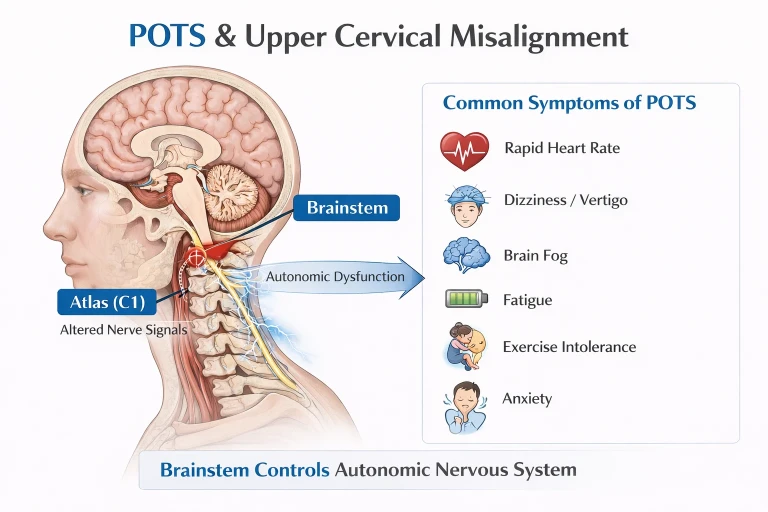
My heart races when I stand up |Postural Orthostatic Tachycardia Syndrome Specialist in Sarasota
Mar 20, 2026For patients in Sarasota who are comparing different chiropractic options, this is an important distinction. Many people are not just looking for symptom relief.
They are looking for an approach that feels measured, thoughtful, and customized. 3D imaging helps support that kind of clinical precision.
When 3D imaging may be especially helpful
Not every patient arrives with the same history. Some have longstanding neck issues. Some have been in car accidents.
Some have had falls, sports injuries, concussions, or years of postural stress from desk work and screen use. Others may have already tried general chiropractic care, physical therapy, or massage without lasting results.
In these cases, advanced imaging may offer additional insight. It can help clarify whether the upper cervical region has unique structural challenges that deserve more careful analysis. It may also help explain why certain patterns keep repeating.
This can be especially relevant for patients dealing with:
- chronic neck pain
- recurring headaches or migraines
- dizziness or balance problems
- postural instability
- stiffness after old injuries
- persistent tension that does not fully resolve
While imaging is not a diagnosis in itself, it can provide valuable structural information that helps shape a more precise plan.
Why this matters in Sarasota, Florida
In Sarasota, Florida, many patients are looking for conservative, noninvasive options that are grounded in precision and individualized care.
They want solutions that respect the complexity of the body and do not rely on a rushed or generalized model.
That makes 3D imaging especially relevant in a local upper cervical practice. It reflects a commitment to detail.
Related article

Whole Family Wellness Starts Here: How Chiropractic Care Supports Every Age
Nov 05, 2025It shows that the doctor is not simply adjusting based on routine habit, but is studying the patient’s anatomy carefully before making a correction.
A more informed patient experience
Another benefit of 3D imaging is that it improves communication.
When patients can see their anatomy and understand why a chiropractor is recommending a certain approach, they often feel more confident in the process. The care feels less abstract and more evidence-guided.
That matters because trust is a major part of the patient experience. People want to know why a chiropractor is choosing a specific method.
They want to understand what makes upper cervical care different from general spinal manipulation. Imaging can help bridge that gap by making the analysis more visible and easier to explain.
Final thoughts
The role of 3D imaging in upper cervical chiropractic in Sarasota, Florida is centered on one core idea: precision. In a part of the spine as important and individualized as the upper cervical region, clear structural insight matters.
It helps chiropractors evaluate anatomy more thoroughly, plan adjustments more specifically, and deliver care with a higher level of confidence and personalization.
For patients seeking upper cervical chiropractic in Sarasota, 3D imaging can be one of the clearest signs that a practice takes detailed analysis seriously.
It supports a careful, patient-specific approach rather than a generalized one. In a field where small misalignments may have wide-reaching effects, that level of precision can make all the difference.
FAQ
1. What is 3D imaging in upper cervical chiropractic?
3D imaging is advanced scanning technology that helps chiropractors view the upper cervical spine in three dimensions. It gives a more detailed look at the atlas, axis, and surrounding structures.
2. Why do upper cervical chiropractors use 3D imaging?
They use it to better understand each patient’s anatomy, improve precision, and guide a more individualized adjustment approach.
Is 3D imaging the same as a regular X-ray?
No. Regular X-rays show flat images, while 3D imaging provides depth and multiple views, which can be especially helpful in the upper cervical spine.
Can 3D imaging help with neck pain and headaches?
It may help the chiropractor better understand structural factors related to those complaints and plan care more specifically.
Why look for upper cervical chiropractic in Sarasota, Florida?
Patients in Sarasota often seek precise, conservative care that focuses on the upper neck and nervous system function using detailed analysis and individualized techniques.



Leave a comment