

For many people diagnosed with Chiari malformation, the journey doesn’t end after surgery. In fact, for some, that’s when a new chapter of confusion begins—because the symptoms they hoped would disappear are still there.
This is the story of one patient who went through that exact experience… and ultimately found a different path to healing.
Schedule Your Appointment
Schedule appointment
Living with Debilitating Symptoms
For over five years, this patient struggled with a range of overwhelming and persistent symptoms:
Severe neck pain
Constant pressure in the head
Tinnitus (ringing in the ears)
Headaches at the base of the skull
Muscle tension radiating into the shoulders and upper body
These symptoms didn’t just come and go—they became a daily reality that affected quality of life, energy, and clarity.
Like many people in this situation, the search for answers led to a diagnosis: Chiari malformation.
To schedule a FREE consult click here.
The Decision to Undergo Decompression Surgery
After receiving the diagnosis, the next step seemed clear.
Decompression surgery is often presented as the primary solution for Chiari malformation. The goal is to relieve pressure at the base of the skull and create more space for the brain and cerebrospinal fluid (CSF) to flow properly.
Hoping this would finally bring relief, the patient moved forward with surgery.
But what happened next is something many people aren’t fully prepared for…
Related article
When Surgery Isn’t the End of the Problem
Despite going through a major surgical procedure, many of the original symptoms remained:
Ongoing head pressure
Persistent neck pain
Continued headaches
Lingering neurological discomfort
This can be one of the most frustrating and disheartening experiences for patients—doing everything “right,” yet still not getting better.
Looking back, the patient shared something powerful:
“I wish I had more knowledge about what was truly going on with my body before going through such a major procedure.”
To read the full story click here.
Searching for the Root Cause
Instead of giving up, the patient began researching deeper.
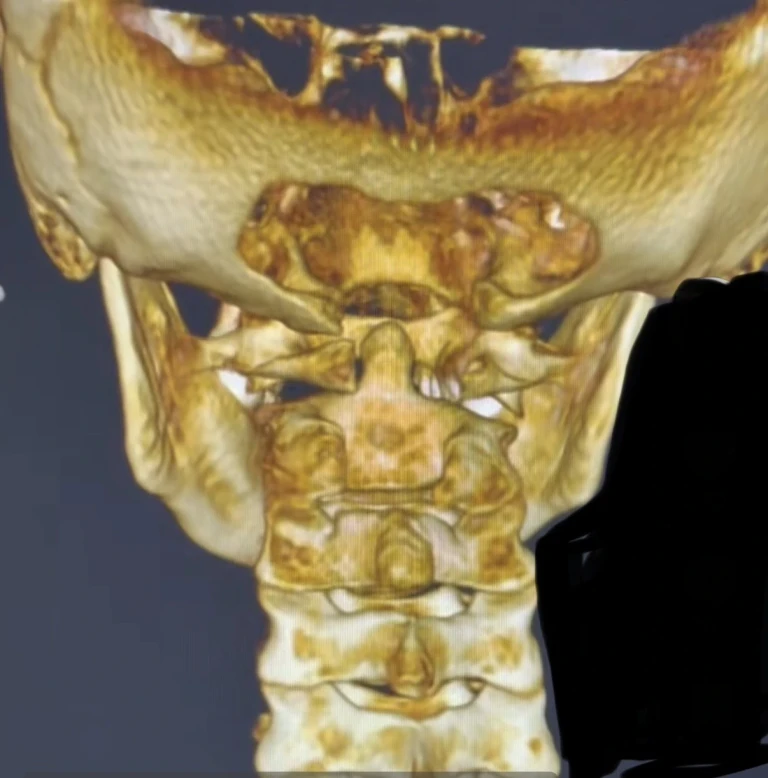
That search eventually led to a new perspective—one that focused not just on the condition itself, but on the structural alignment of the upper cervical spine and its relationship to the brainstem.
While exploring this, the patient came across content from Dr. Drew Hall on TikTok.
The message was different.
It wasn’t about masking symptoms or jumping to invasive procedures—it was about identifying and correcting precise structural misalignments at the top of the neck.

Schedule a FREE consultation by clicking here.
Traveling to Sarasota for Upper Cervical Care
Motivated by this new understanding, the patient made the decision to travel to Sarasota to be evaluated.
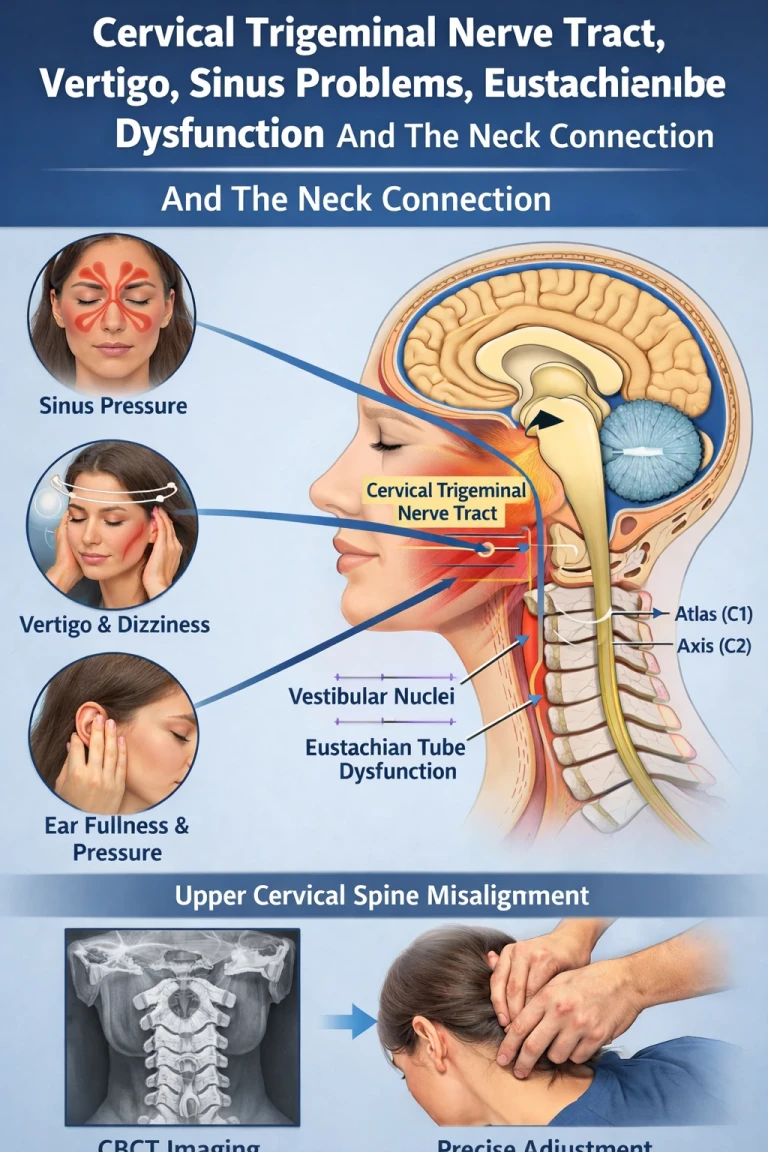
Upper cervical care focuses on the atlas (C1) and axis (C2)—the most important and neurologically sensitive area of the spine.
This region sits directly beneath the brainstem, where:
Cerebrospinal fluid (CSF) flows in and out of the brain
Blood supply is regulated
Neurological signals are transmitted throughout the body
Even a slight misalignment here can create abnormal pressure, tension, and neurological interference.
The Turning Point: A Precise Correction
After a detailed evaluation—including advanced imaging to determine the exact misalignment—the patient received a precise upper cervical correction.
No twisting.
No cracking.
No aggressive manipulation.
And then something remarkable happened.
“Immediately after the adjustment, I felt instant relief.”
For the first time in years, there was a noticeable shift in how the body felt.
To read the full google review click here.
Related article

Cervicogenic vertigo treatment and Doctor in Sarasota | The vertigo Neck connection
Jun 25, 2026
Why This Approach Can Matter After Chiari Surgery
While decompression surgery addresses structural crowding in the skull, it does not always correct:
Abnormal alignment of the upper cervical spine
Mechanical stress on the brainstem
Disrupted CSF flow dynamics caused by misalignment
Postural and neurological compensation patterns
Upper cervical care aims to restore proper alignment so the body can function the way it was designed to—often reducing the stress that contributes to lingering symptoms.
A Message to Others Considering Surgery
One of the most important takeaways from this story is not about regret—it’s about awareness.
“If you’re out there struggling with unexplained symptoms, and if you are considering surgery, take the time to explore options. The right kind of care might make all the difference.”
For many people, understanding all available options before undergoing a major procedure can be life-changing.
A Life Changed
Today, this patient reflects with deep gratitude:
“Without you, Dr. Drew Hall, I would still be stuck in the same cycle of pain and confusion. Thank you so deeply for giving me my life back.”
Final Thoughts
Chiari malformation is complex. Healing is not always linear. And surgery, while necessary in some cases, is not always the complete answer.
For those still searching for relief—especially after surgery—looking at the upper cervical spine as a potential missing piece may open doors that were previously overlooked.
If you or someone you know is dealing with persistent symptoms, exploring precise, non-invasive approaches could be the step that changes everything.


Leave a comment