

Do you feel constant pressure in your head?
Not always sharp pain…
Not always a classic migraine…
But a heavy, tight, squeezing, or “inflated” feeling?
Schedule Your Appointment
Schedule appointmentIf you’re searching for head pressure relief and treatment in Sarasota, you may have already tried:
• Sinus medication
• Migraine medication
• Allergy treatment
• MRI scans
• Stress reduction
• Massage therapy
And yet — the pressure remains.
What many patients don’t realize is this:
Head pressure is often neurological — and neck misalignment is commonly the missing link.
👉 Call 941-259-1891 to schedule your FREE consultation
Or click here to schedule online.
Head Pressure Is Different Than a Headache
Patients often describe head pressure as:
• Tight band around the head
• Pressure behind the eyes
• Heavy feeling at the base of the skull
• Internal fullness
• Brain fog with pressure
• Worse when stressed or tired
Many are told it’s:
• Anxiety
• Tension
• Sinus congestion
• Hormones
But when imaging is normal and symptoms persist, we must ask:
What is irritating the nervous system?
The Upper Neck and the Brainstem Connection
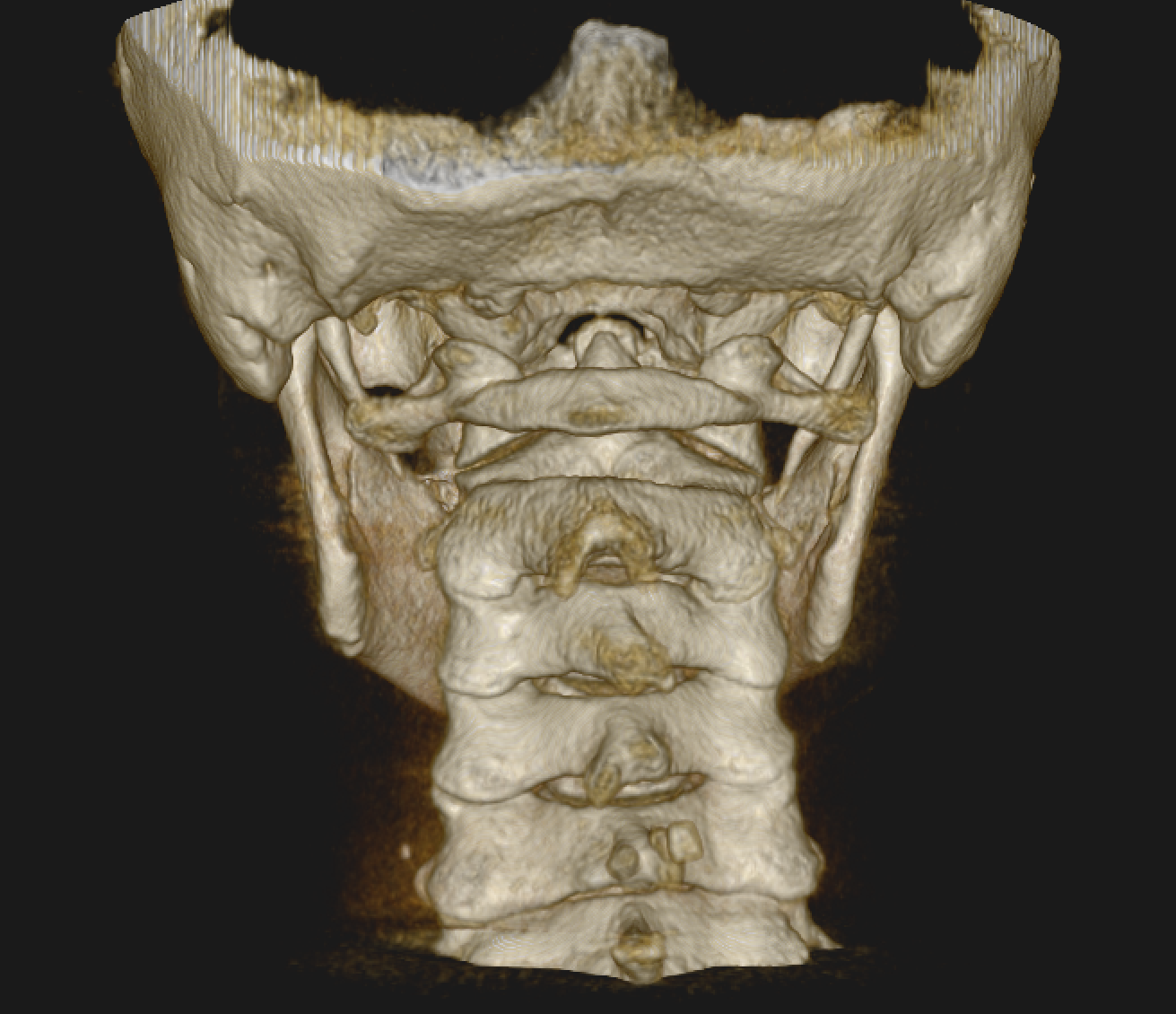
The upper cervical spine (C1 and C2) sits directly beneath the skull and supports the brainstem.
The brainstem regulates:
• Vascular tone (blood vessel dilation and constriction)
• Autonomic nervous system balance
• Pain processing
• Cerebrospinal fluid (CSF) dynamics
• Cranial nerve function
When the upper cervical spine is misaligned, it may:
• Create mechanical stress on the brainstem
• Alter blood flow regulation
• Increase dural tension
• Distort proprioceptive signaling
• Contribute to pressure sensations
Related article
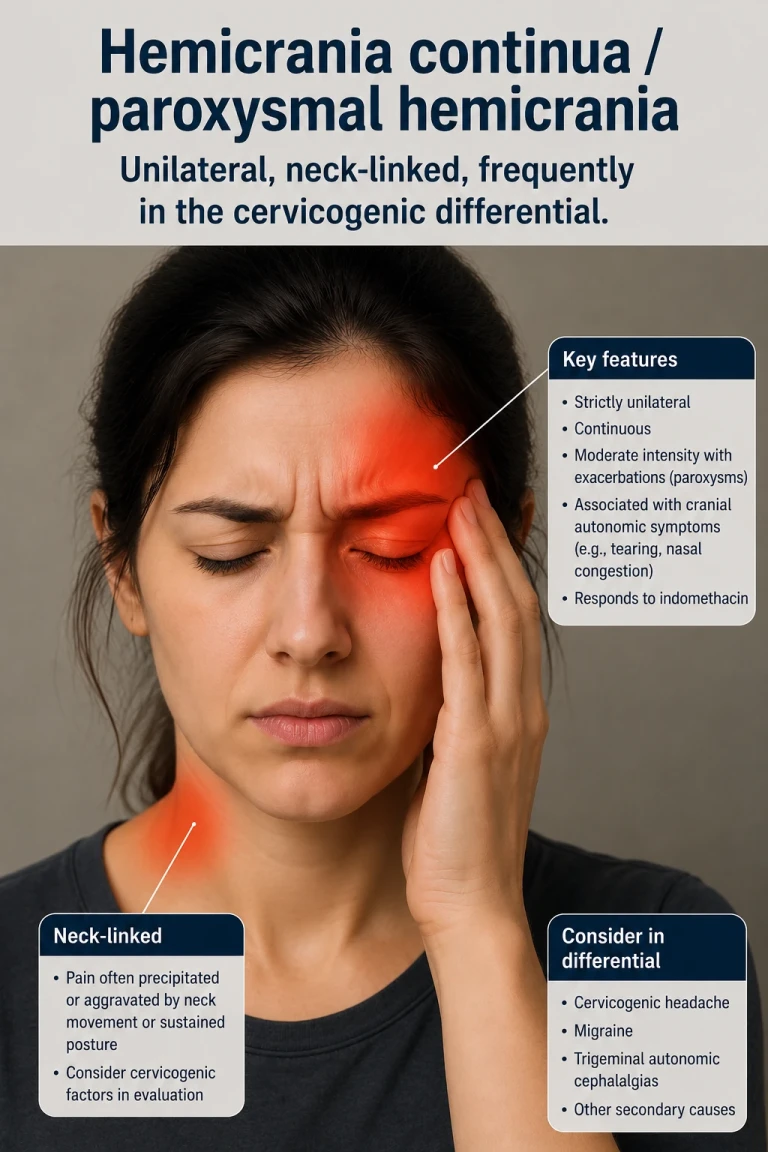
Is It a Cervicogenic Headache or Hemicrania Continua? How to Tell the Difference
Jun 13, 2026Even small misalignments at C1 can influence how the brain interprets pressure and vascular changes.
Trauma and Joint Capsule Injury
Most upper cervical misalignments begin with trauma.
Trauma can include:
• Car accidents
• Slip and falls
• Sports injuries
• Concussions
• Sudden head jerking
• Years of poor posture
When trauma injures the joint capsule:
• Inflammation develops
• Motion becomes restricted
• Instability forms
• Muscles tighten protectively
The loss of proper joint motion can lead to chronic muscle guarding and neurological irritation.
Until that motion is restored, the pressure pattern may persist.
Why Muscles Feel Tight
Many people focus on tight neck muscles.
But muscle spasm is often a reaction — not the root cause.
When a joint loses motion:
• The nervous system senses instability
• Muscles tighten to protect it
• Blood flow reduces
• Pain and pressure increase
Massaging the muscles may feel good temporarily.
But if the joint remains misaligned, the spasm returns.
How Neck Misalignment Creates Head Pressure
Upper cervical misalignment may influence:
• Blood vessel tone regulation
• CSF flow dynamics
• Trigeminal nerve irritation
• Brainstem sensory processing
The result can feel like:
• Internal head swelling
• Eye pressure
• Skull tightness
• Occipital heaviness
• Cognitive fog
This is why many patients with chronic head pressure also experience:
• Neck stiffness
• Dizziness
• TMJ tension
• Sinus pressure
• Sleep disruption
The problem is often upstream — at the top of the spine.
Related article
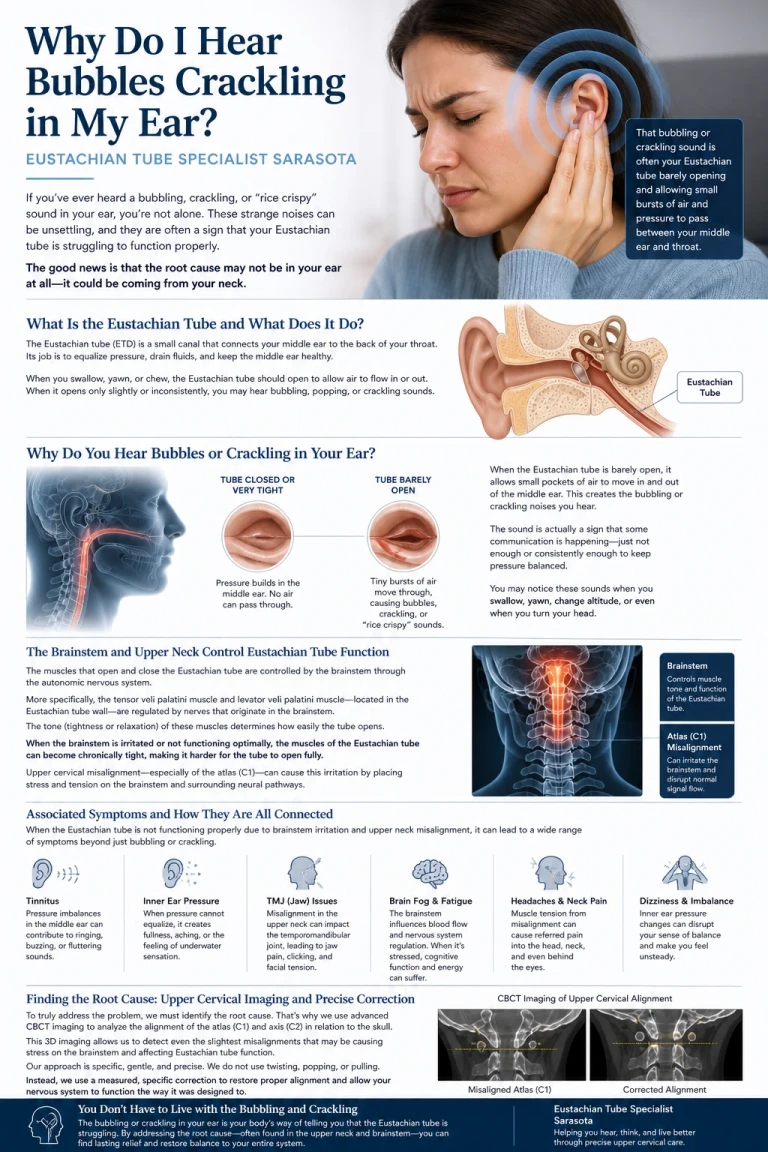
Why Do I Hear Bubbles or Crackling in My Ear? | Eustachian Tube Specialist Sarasota
May 04, 2026👉 If you are struggling with head pressure in Sarasota, schedule your FREE consultation today. Book online Here.
Precision Matters: 3D CBCT Imaging
Every person’s anatomy is unique.
No two misalignment patterns are the same.
That’s why we use advanced 3D Cone Beam CT (CBCT) imaging to measure:
• Exact rotational displacement
• Lateral deviation
• Angular misalignment
• Skull-to-atlas relationship
• Structural asymmetry
Without imaging, adjustments are generalized.
With CBCT imaging, corrections are precisely tailored to your anatomy.
Precision is critical when working near the brainstem.
No Twisting. No Cracking. No Pulling.
Many patients avoid chiropractic because they fear aggressive manipulation.
Upper cervical care is different.
There is:
• No forceful twisting
• No aggressive cracking
• No yanking or pulling
Adjustments are:
• Gentle
• Specific
• Minimal force
• Based entirely on measured data
The goal is to restore motion — not create more stress.
Objective Testing: Knowing When to Adjust
We do not adjust on every visit.
We use objective testing to determine necessity.
These include:
Leg Length Analysis
Subtle changes can reflect neurological imbalance.
Related article

Ménière’s Disease - Tinnitus, Vertigo, Brain Fog, Eustachian Tube Dysfunction and Your Neck!
Nov 22, 2022Infrared Thermography
Thermal scanning measures heat differences along the spine, indicating nervous system stress.
These tools help determine:
• If misalignment is present
• If correction is holding
• If adjustment is necessary
• When stability has returned
Adjustments are data-driven — not routine.
True Healing vs Symptom Suppression
Most head pressure treatments focus on:
• Reducing inflammation
• Blocking pain signals
• Masking symptoms
Upper cervical chiropractic focuses on:
• Restoring joint motion
• Reducing mechanical stress
• Stabilizing neurological signaling
• Allowing the body to regulate itself
True healing happens when the nervous system functions properly.
Signs You May Need an Upper Cervical Evaluation
You may benefit from evaluation if:
• Head pressure began after trauma
• You have chronic neck tightness
• You feel pressure at the base of your skull
• MRI scans were normal
• Sinus treatment hasn’t helped
• You feel worse with prolonged posture
Your head pressure may not be random.
It may be your nervous system reacting to structural imbalance.
Head Pressure Relief and Treatment in Sarasota
If you are tired of chasing symptoms and want to investigate the root cause, upper cervical chiropractic may be the missing piece.
We focus on:
• Precision 3D imaging
• Gentle correction
• Objective neurological testing
• No twisting or aggressive cracking
• Long-term structural healing
👉 Call 941-259-1891 to schedule your FREE consultation
Or click here to schedule online.
Head pressure is not something you have to “just live with.”
Let’s evaluate the foundation beneath your brainstem — and restore the balance your nervous system needs.
To locate an upper cervical chiropractor outside of florida click here.


Leave a comment